Post-surgical recovery & readmission prevention
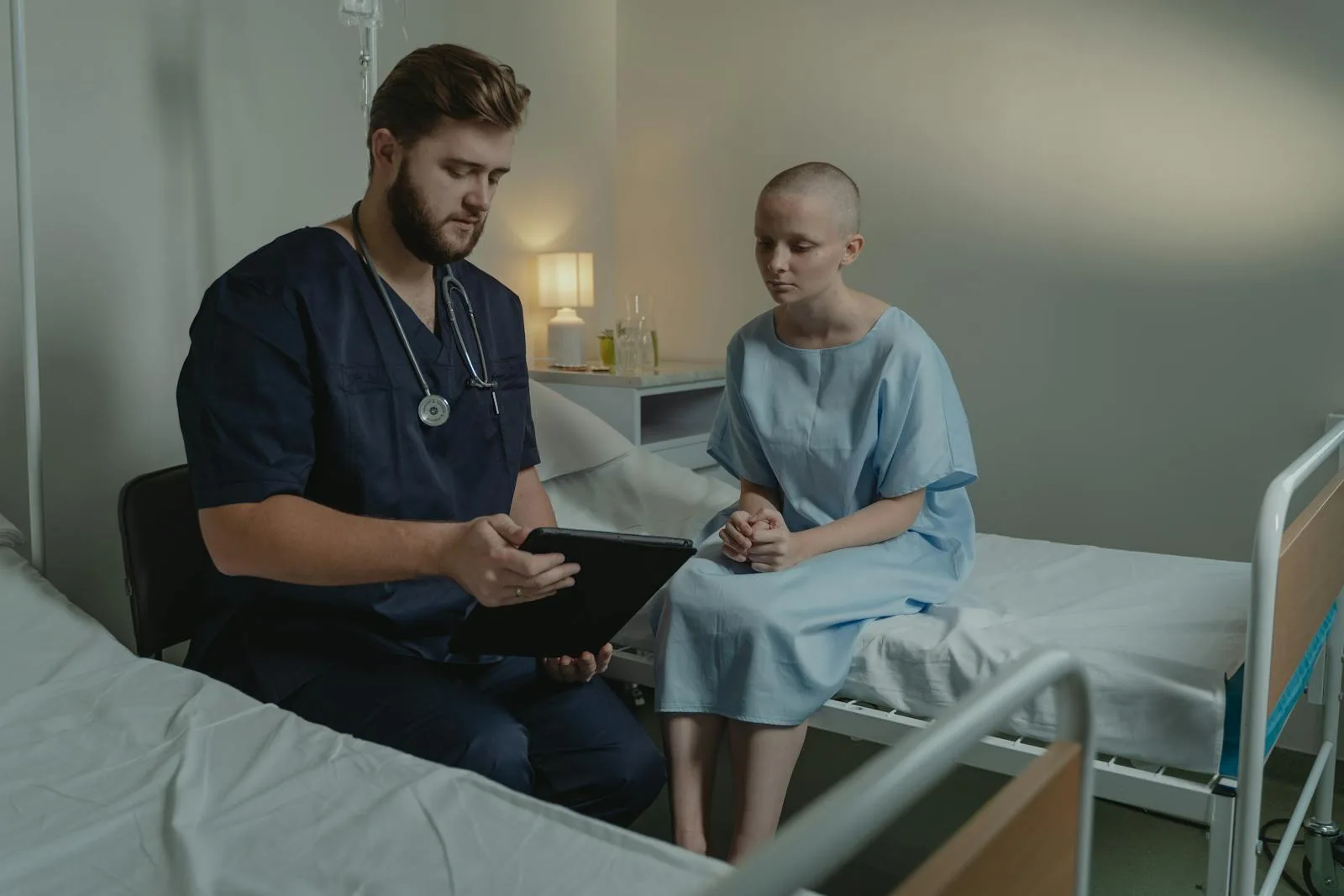
Follow each surgical patient's response from the bedside through discharge. See who is recovering and who is not, so the readmission becomes a prevented event instead of a billed one.
Bardel is a software layer on the patient monitors hospitals already have. No new hardware. It integrates with your EHR and turns the recovery window into objective, real-time response data, from the bedside through discharge.
Hospitals are now financially accountable for outcomes they cannot see. Most recovery happens after discharge, unmonitored, and the first signal of a problem often arrives as a readmission you are already paying for.
The estimated cost of a single avoidable readmission, billed back to you.
of hospitals now carry financial risk for surgical-episode outcomes under CMS value-based models.
Most recovery happens after the patient leaves the building, where today no one is watching.
Bardel reads the physiological signal others miss from the monitors hospitals already own, and turns it into an objective read on how each patient is responding to treatment, in real time.
It follows the same five steps that power the whole platform, from the hardware on your floor to a dataset that gets smarter with every session.
Bardel runs as a software layer on the patient monitors already at the bedside, integrated through your EHR. Nothing to install on the floor, nothing new for biomed to certify.
Post-surgical recovery monitoring and early-warning from the response signal surface a turn for the worse while there is still time to act, not after the patient is back in the ED.
Objective recovery data gives you the documentation that value-based contracts demand, so episode outcomes are something you can show, not something you hope for.
The same platform, configured for the moments where unmeasured recovery costs your system the most.
Follow each surgical patient's response from the bedside through discharge. See who is recovering and who is not, so the readmission becomes a prevented event instead of a billed one.
Give the emergency department an objective read on the body's response so pain is not mistaken for a cardiac event, supporting faster, better-documented triage decisions.
Extend the same response signal across units to surface deterioration earlier, informing the clinicians on the floor before a quiet decline becomes an emergency.
Bardel is additive, not disruptive. It rides on the monitors and the EHR you run today, and turns the recovery window into reimbursable, documented, defensible data.
Bardel is live today, grounded in decades of peer-reviewed science, and guided by clinicians who have run pain medicine and molecular science for entire careers. As of 2026, the platform is capturing real response data across the country.
Bardel's clinical program is advised by Dr. Brian Shaffer, who has spent more than 40 years in pain medicine and founded Princeton Pain Management, alongside Dr. Charles Leaf, with 35-plus years in molecular science. The people building this have done it before.
Walk through the dashboard on your own monitors, or open a conversation about working together.